As a parent, it’s natural to want to provide your baby with love and attention. However, sometimes it can be difficult to know when your baby is becoming too attached. While a strong bond between parent and child is healthy and important, there are some signs that your baby may be overly dependent on you.
Here are some signs of a baby being too attached:
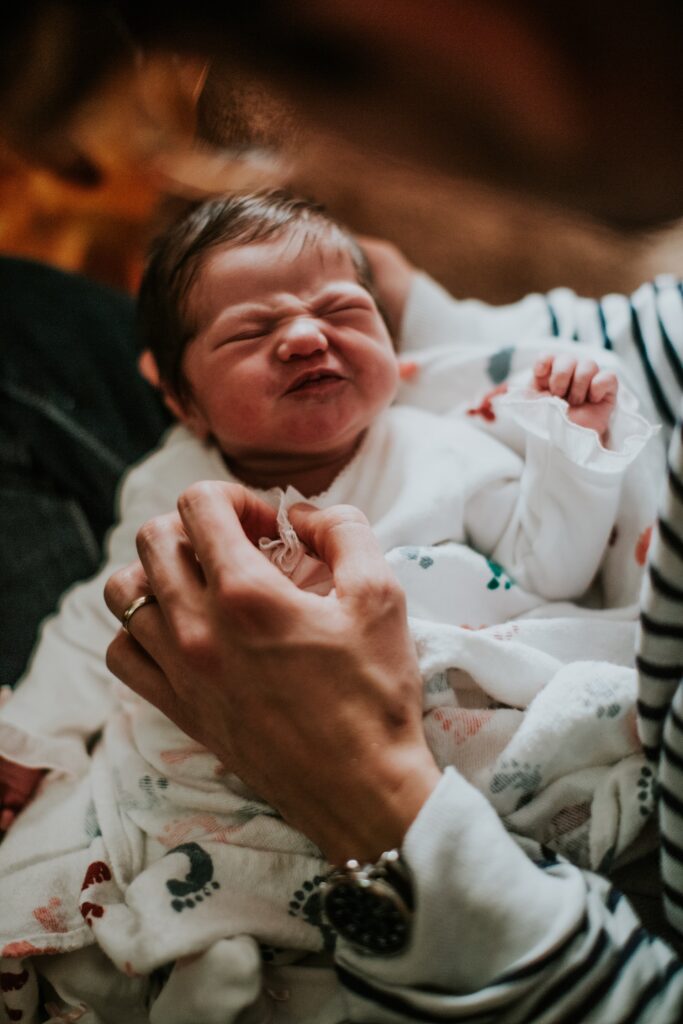
Crying When Separated
If your baby cries uncontrollably when separated from you, this could be a sign that they are overly attached. While it’s normal for babies to experience separation anxiety, excessive crying or distress can be a cause for concern.
Refusal to Be Held by Others
If your baby refuses to be held by other caregivers or family members, this may be a sign that they are too attached to you. While it’s normal for babies to prefer their primary caregiver, it’s important for them to develop positive relationships with other adults in their life.
Difficulty Sleeping Without You
If your baby has trouble sleeping without you, this may be a sign of excessive attachment. While it’s natural for babies to want to be close to their parents, it’s important for them to learn to fall asleep on their own.
Constant Need for Attention
If your baby demands your attention constantly, this could be a sign of excessive attachment. While it’s important to give your baby love and attention, it’s also important for them to learn to self-soothe and entertain themselves.
Refusal to Play Alone
If your baby refuses to play alone, this may be a sign of excessive attachment. While it’s important to engage with your baby and provide them with attention, it’s also important for them to learn to play independently.
Clinging or Clasping Behavior
If your baby constantly clings or clasps onto you, this may be a sign of excessive attachment. While it’s natural for babies to seek comfort from their parents, it’s important for them to learn to explore their environment and interact with others.
Difficulty with Transitions
If your baby has difficulty with transitions or changes in routine, this may be a sign of excessive attachment. While it’s normal for babies to experience some anxiety during changes, excessive distress can be a cause for concern.
Excessive Need for Physical Contact
If your baby constantly needs physical contact or closeness with you, this may be a sign of excessive attachment. While it’s important for babies to receive physical affection, it’s also important for them to learn to be comfortable on their own.
So, what can you do if you think your baby is too attached? Here are some tips:
Create a Routine
Creating a predictable routine can help your baby feel more secure and reduce their anxiety. Make sure to include regular activities like playtime, mealtime, and naptime.
Encourage Independence
Encourage your baby to explore their environment and play independently. Start by providing them with a safe space to play and gradually increase the amount of time they spend playing alone.
Practice Gradual Separation
Gradual separation can help your baby learn to cope with being away from you. Start by leaving your baby with a caregiver for short periods of time and gradually increase the length of time.
Encourage Positive Relationships with Other Adults
Encourage your baby to develop positive relationships with other adults in their life. This can involve introducing them to other caregivers or family members and giving them opportunities to interact with new people.
Model Positive Behaviors
As a parent, it’s important to model positive behaviors for your baby. This can involve things like praising their efforts, being patient and understanding when they make mistakes, and modeling empathy and compassion towards both your baby and others.
While it’s natural for parents to want to provide their babies with love and attention, it’s important to recognize the signs of excessive attachment. By doing so, parents can take steps to promote their baby’s independence and social development.
It’s important to remember that babies develop at different rates and what may be considered excessive attachment in one baby may not be in another. However, if you are concerned about your baby’s attachment to you, it’s always a good idea to talk to your pediatrician or a mental health professional.
Additionally, it’s important for parents to take care of themselves during this time as well. Taking breaks when needed and seeking support from loved ones can help prevent burnout and promote a healthy relationship with your baby.
While a strong bond between parent and child is crucial, it’s important to encourage your baby’s independence and positive relationships with other caregivers and family members. By doing so, you can help your baby develop the skills and confidence they need to thrive both socially and emotionally.