The moment a newborn baby enters the world, they begin a lifelong journey of growth, learning, and development. This process is facilitated through various interactions, but one of the most crucial is physical contact. From the first moments after birth, newborns crave touch and closeness to their caregivers. This need for physical contact is not just a desire for comfort, but a critical component of healthy development.
Physical contact is essential for newborns’ physical and emotional well-being. Infants who receive regular, positive touch experience numerous benefits that contribute to their overall health and development. Here are some of the ways physical contact can impact a newborn’s life:
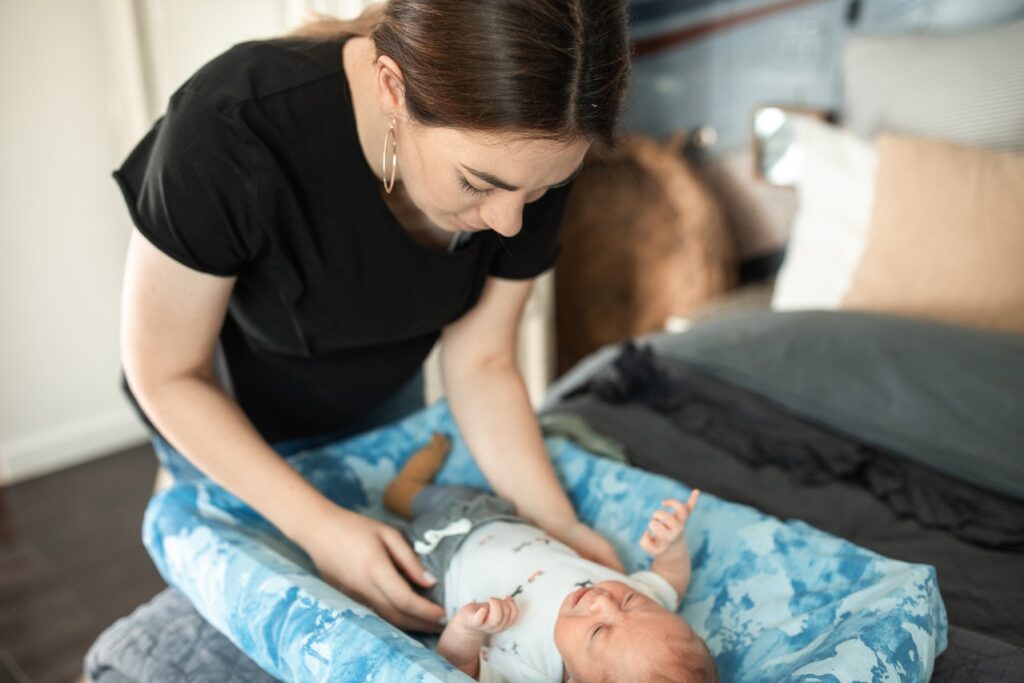
Bonding
Skin-to-skin contact is an essential element of bonding between newborns and their caregivers. This type of contact is especially important during the first few weeks of a baby’s life, as it helps establish trust and build a strong relationship. When a newborn feels the warmth and comfort of their caregiver’s touch, it can help them feel safe and secure.
Reduced stress
Newborns are susceptible to stress, which can impact their development negatively. Physical contact can help reduce stress in infants by releasing the hormone oxytocin. Oxytocin is known as the “love hormone” and is responsible for feelings of relaxation, trust, and calmness. When a caregiver holds or cuddles a newborn, it can help lower their stress levels and promote feelings of well-being.
Better sleep
Newborns need a lot of sleep, and physical contact can help them get the rest they need. When a caregiver holds or cuddles a newborn, it can help them feel more secure and comfortable, which can lead to longer and more restful sleep. Additionally, newborns who receive regular physical contact tend to have more regular sleep patterns and may be less likely to experience sleep disturbances.
Improved brain development
Newborns’ brains are developing rapidly, and physical contact can play a significant role in this process. Studies have shown that infants who receive regular positive touch tend to have more significant brain development in areas related to language, cognition, and emotion regulation. Additionally, physical contact can help stimulate the production of brain-boosting hormones, such as growth hormone and insulin-like growth factor.
Improved immune function
Newborns are vulnerable to illness, but physical contact can help support their immune function. When a caregiver holds or cuddles a newborn, it can help stimulate the production of white blood cells, which are crucial for fighting off infections. Additionally, physical contact can help regulate a newborn’s body temperature, which can promote overall health and well-being.
How to provide physical contact
There are several ways that caregivers can provide physical contact to newborns. Here are some of the most effective methods:
Skin-to-skin contact
Skin-to-skin contact involves placing a newborn directly on their caregiver’s bare chest. This type of contact is especially beneficial for bonding and can help regulate a newborn’s body temperature, heart rate, and breathing.
Holding
Holding a newborn in a caregiver’s arms is a simple but effective way to provide physical contact. This type of contact can help soothe a fussy baby, promote sleep, and reduce stress.
Cuddling
Cuddling involves holding a newborn close and providing gentle, comforting touch. This type of contact can help promote bonding, reduce stress, and support healthy development.
Massage
Infant massage involves gentle, rhythmic strokes that can help promote relaxation, reduce stress, and support healthy development. Caregivers can learn massage techniques from trained professionals or through online resources.
Physical contact is a crucial element of newborn development. Infants who receive regular, positive touch from their caregivers tend to experience numerous benefits, including bonding, reduced stress, better sleep, improved brain development, and improved immune function. Caregivers can provide physical contact through methods such as skin-to-skin contact, holding, cuddling, and massage. While physical contact is important for all infants, it is especially critical for premature babies or those born with health complications.
It is important to note that physical contact should always be done safely and with care. Caregivers should ensure that the baby’s head and neck are supported at all times, and that they are not too hot or cold. Additionally, caregivers should always wash their hands before touching a newborn to reduce the risk of infection.
Unfortunately, not all newborns have access to the physical contact they need for optimal development. In some cases, babies may be separated from their caregivers due to medical complications or other factors. In these situations, healthcare professionals may provide physical contact through techniques such as kangaroo care or touch therapy.
Kangaroo care involves placing a premature or low-birth-weight baby skin-to-skin with their caregiver. This type of contact can help regulate the baby’s body temperature, heart rate, and breathing, and can promote bonding and healthy development. Touch therapy involves using gentle touch and massage to support premature infants’ development and reduce stress.
Physical contact is a critical component of newborn development. Infants who receive regular, positive touch from their caregivers tend to experience numerous benefits, including bonding, reduced stress, better sleep, improved brain development, and improved immune function. Caregivers can provide physical contact through methods such as skin-to-skin contact, holding, cuddling, and massage. While physical contact is important for all infants, it is especially critical for premature babies or those born with health complications. Healthcare professionals may provide physical contact through techniques such as kangaroo care or touch therapy. By understanding the importance of physical contact and providing it in a safe and nurturing way, caregivers can help support their newborn’s healthy development and lay the foundation for a lifetime of well-being.