Attachment is a natural and healthy process. It is the process by which a child develops an emotional bond with their caregiver, which provides a sense of security and comfort. However, sometimes parents may find that their baby is too attached to them. In this article, we will explore what it means when a baby is too attached to their parent and what parents can do to help their child develop a healthy attachment.
Understanding Attachment
Attachment is a process that begins at birth and continues throughout childhood. It is the emotional bond that develops between a child and their caregiver, which provides a sense of security and comfort. Attachment is essential for a child’s emotional and social development, as it helps them develop a sense of trust and empathy.
Attachment is a two-way process that involves both the child and the caregiver. The caregiver provides the child with a safe and nurturing environment, while the child responds with trust and affection.
Signs of a Baby Being Too Attached
While attachment is essential for a child’s emotional and social development, sometimes a baby may become too attached to their parent. Here are some signs that a baby may be “too attached”:
- Clinging: A baby who is too attached may cling to their parent, even when they are not in distress. They may resist being put down or may cry when their parent is out of sight.
- Separation Anxiety: A baby who is too attached may experience separation anxiety when their parent is not present. They may cry, become agitated, or refuse to be comforted by anyone else.
- Distress: A baby who is too attached may become distressed when their parent is not present, even if they are being cared for by someone else. They may cry, become irritable, or have trouble sleeping.
- Refusal to Play: A baby who is too attached may refuse to play or explore their environment, preferring to stay close to their parent.
- Disinterest in Others: A baby who is too attached may show little interest in interacting with other people, preferring instead to focus on their parent. This can be normal according to age, however.
What Causes a Baby to Become Too Attached?
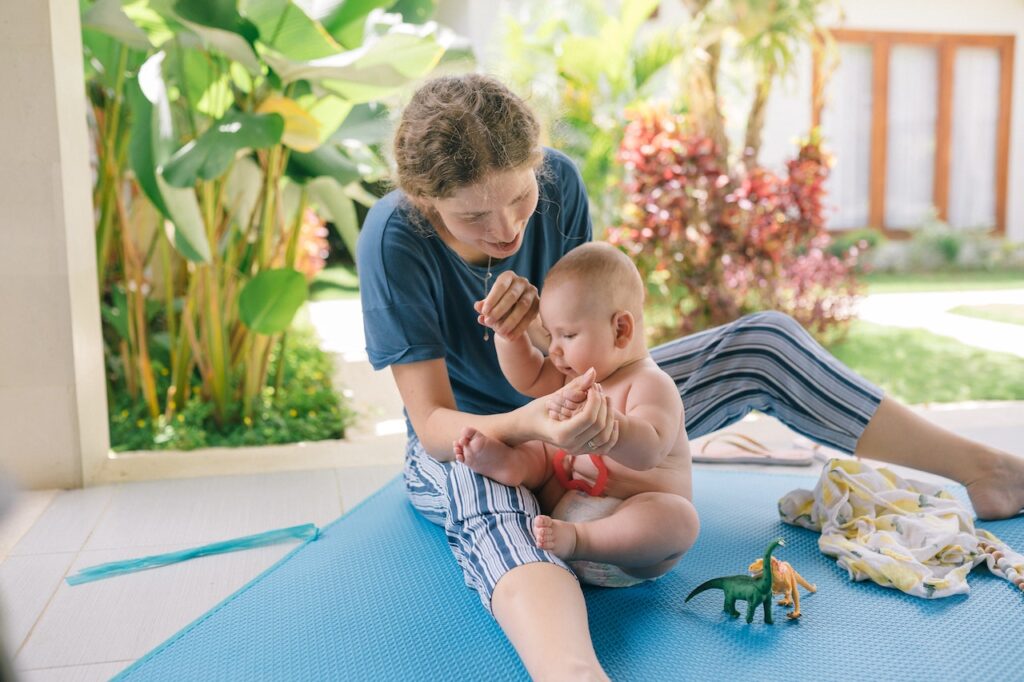
There are several factors that can contribute to a baby becoming too attached to their parent:
- Overprotective Parenting: Parents who are overprotective may inadvertently encourage their baby to become too attached. When parents respond to their baby’s every need, the baby may come to rely on their parent excessively.
- Separation Anxiety: If a baby experiences separation anxiety early on, they may become too attached to their parent as a way of coping with their anxiety.
- Inconsistent Care: Inconsistent or unpredictable care can also contribute to a baby becoming too attached. If a baby is unsure when their needs will be met, they may become overly reliant on their parent for comfort and security.
- Trauma: If a baby has experienced trauma, such as a prolonged hospital stay or a difficult birth, they may become too attached to their parent as a way of coping with their stress and anxiety.
- Genetics: Some babies may be predisposed to becoming too attached to their parent due to genetic factors.
How to Help Your Baby Develop a Healthy Attachment
While it is important to promote attachment between a parent and child, it is also important to help your baby develop a healthy attachment. Here are some strategies that parents can use to help their baby develop a healthy attachment:
- Provide Consistent Care: Providing consistent care is essential for helping your baby develop a healthy attachment. This includes meeting their needs promptly, responding to their cues, and establishing a consistent routine.
- Encourage Exploration: Encouraging your baby to explore their environment can help them develop a sense of independence and self-confidence. This can be done by providing safe and age-appropriate toys and activities and giving your baby space to explore.
- Foster Relationships with Others: Encouraging your baby to develop relationships with other people, such as family members or caregivers, can help them learn to trust and rely on others. This can be done by introducing your baby to new people gradually and allowing them to spend time with others under your supervision.
- Give Your Baby Space: Giving your baby space to play and explore on their own can help them develop a sense of independence and self-confidence. This can be done by providing a safe environment and allowing your baby to play and explore on their own.
- Encourage Independence: Encouraging your baby to become more independent can also help them develop a healthy attachment. This can be done by allowing your baby to feed themselves, dress themselves, and perform other age-appropriate tasks.
- Seek Professional Help: If you are concerned that your baby may be too attached or are having trouble developing a healthy attachment, it may be helpful to seek professional help. A pediatrician or child psychologist can provide guidance on how to promote a healthy attachment and address any issues that may be affecting your baby’s emotional development.
When to Seek Help
While it is common for babies to become attached to their parents, it is important to seek help if you are concerned that your baby may be too attached. Here are some signs that it may be time to seek professional help:
- Your baby’s attachment is interfering with their development: If your baby’s attachment is interfering with their ability to explore, learn, or develop relationships with others, it may be time to seek help.
- You are feeling overwhelmed: If you are feeling overwhelmed by your baby’s attachment or are having trouble meeting their needs, it may be helpful to seek professional help.
- Your baby is experiencing extreme separation anxiety: If your baby is experiencing extreme separation anxiety or is unable to be comforted by anyone else, it may be time to seek professional help.
- Your baby has experienced trauma: If your baby has experienced trauma, such as a prolonged hospital stay or a difficult birth, it may be helpful to seek professional help to address any issues that may be affecting their emotional development.
Parents can promote a healthy attachment by providing consistent care, encouraging exploration, fostering relationships with others, and giving their baby space to play and explore on their own.