The bond between a mother and her child is one of the most beautiful and complex relationships in nature. It is a relationship that begins long before the birth of the child and continues throughout their lives. As a result, many new mothers are curious about when their baby will start wanting them. In this article, we will explore the developmental stages of a baby and when they start to show a preference for their mother.
Newborns and the Need for Physical Contact
Newborns are born with a natural instinct to seek out physical contact. This is known as the “rooting reflex.” The rooting reflex causes a baby to turn their head and open their mouth when their cheek is touched. This is a response that is designed to help a baby find their mother’s breast for feeding. Newborns also have a strong preference for being held close to their mother’s body.

However, newborns are not yet capable of recognizing their mother as a separate entity from themselves. They do not yet understand the concept of object permanence, which is the ability to recognize that objects (including people) exist even when they are out of sight. As a result, newborns are not yet capable of wanting their mother specifically.
The First Few Months: Developing a Relationship
Over the first few months of a baby’s life, they begin to develop a sense of self and start to recognize their mother as a separate person. They begin to understand that their mother is the source of comfort and care, and they will start to prefer her over other people.
At around two months of age, babies begin to recognize their mother’s voice and smell. They may start to turn their head towards their mother when she speaks or cries. They may also start to display a preference for their mother’s touch and may become upset when separated from her for extended periods.
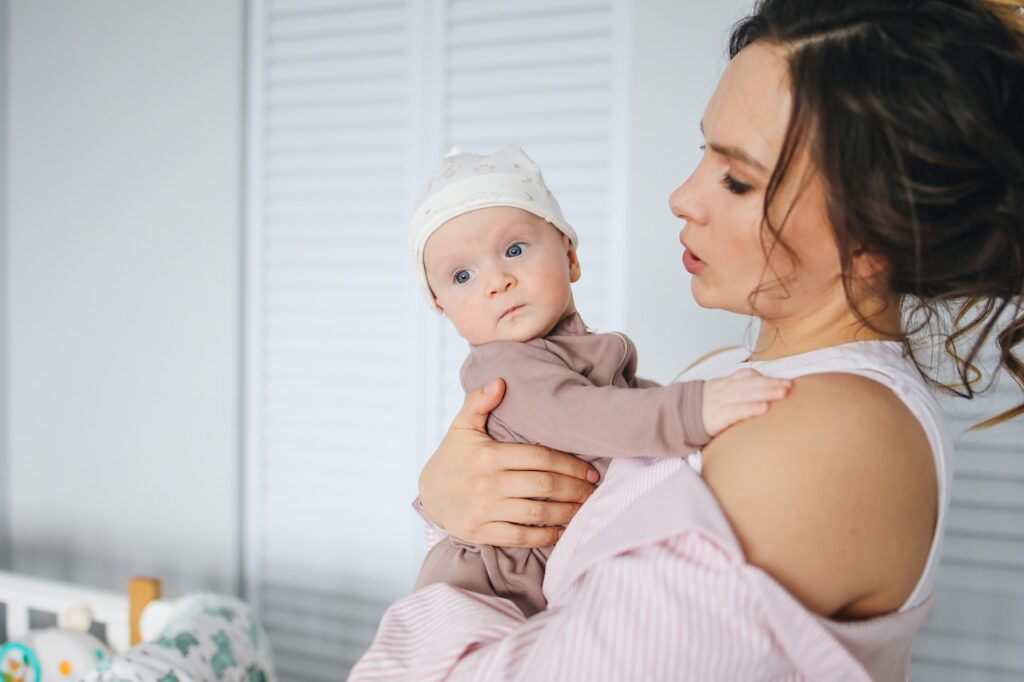
As babies continue to develop, they become more and more social. They begin to engage in “social smiling,” which is when they smile in response to social interactions with their mother and other people. They also start to develop a sense of trust in their mother and feel secure when they are close to her.
Around three months of age, babies start to show a greater interest in their surroundings. They may begin to reach out and touch objects and people. They may also start to develop more advanced social skills, such as imitating facial expressions and making eye contact.
As babies continue to develop, they become more and more interactive with their mother. They may start to babble and make cooing sounds in response to their mother’s voice. They may also start to develop a sense of humor and begin to laugh and smile in response to silly faces and noises.
Six Months and Beyond: Separation Anxiety
Around six months of age, babies begin to experience separation anxiety. This is a normal part of development and is a sign that the baby has formed a strong attachment to their mother. Separation anxiety is characterized by the baby becoming upset when their mother leaves the room or when they are left with a stranger.
At this age, babies are also developing a sense of object permanence. They understand that their mother exists even when she is out of sight, and they may start to look for her when she leaves the room.
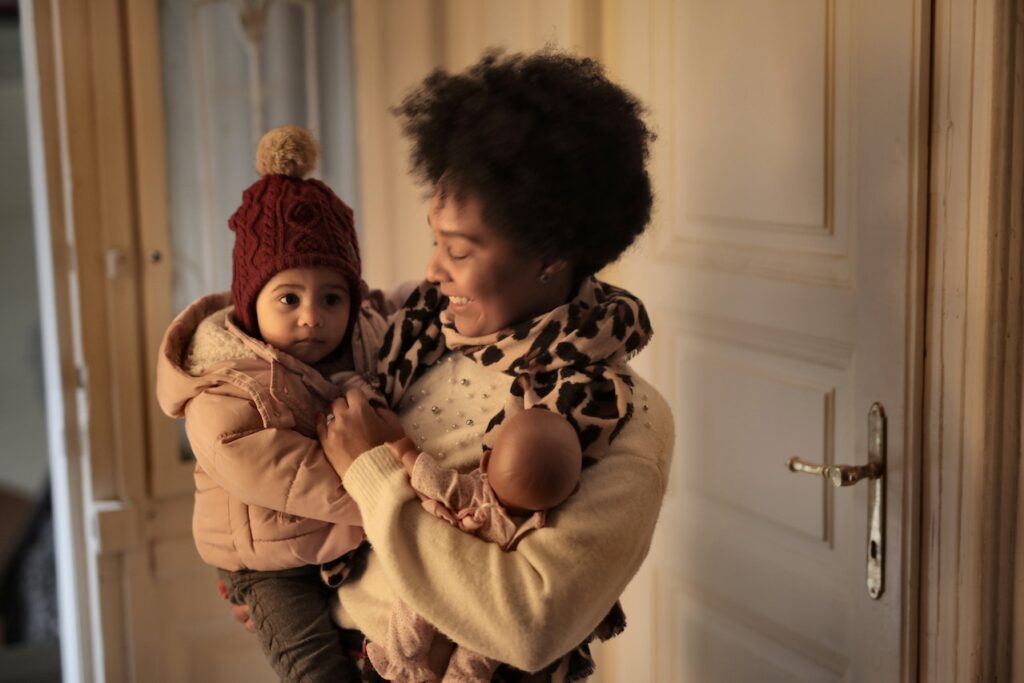
As babies continue to develop, they become more and more attached to their mother. They may start to crawl towards her when she enters the room and may cry when she leaves. They may also start to develop a sense of empathy and may become upset when their mother is upset.
By the time a baby is one year old, they have developed a strong attachment to their mother. They may start to use words to communicate with her and may develop more advanced social skills, such as sharing and taking turns.
Babies start to want their mother from a very young age, but the extent of their attachment and preference grows and evolves over time. Newborns have a natural instinct to seek physical contact and comfort, but they do not yet understand the concept of object permanence or recognize their mother as a separate entity.
As babies continue to develop, they start to recognize their mother’s voice, smell, and touch. They develop a sense of trust in their mother and feel secure when they are close to her. As they become more interactive, they begin to form a stronger attachment to their mother and may start to display separation anxiety when she is not present.
By the time a baby is one year old, they have developed a strong attachment to their mother and may communicate with her through words and more advanced social skills. It is important for mothers to nurture this bond through physical contact, responsiveness, and interaction.
It is also important to note that while mothers often have a special bond with their child, other caregivers can also develop strong attachments with the child. The bond between a caregiver and a child is built through consistent and loving care, regardless of who the caregiver may be.
Bonding through physical contact, such as holding, cuddling, and skin-to-skin contact, is crucial for a baby’s emotional and physical development. It helps to regulate the baby’s nervous system, promote brain development, and foster a sense of security and attachment. For babies, the physical connection with their mother is so strong that they may see themselves as an extension of their mother’s body, which is why they seek out physical contact for comfort and security.
Realistically, babies start to want their mother from a very young age, but the extent of their attachment and preference grows and evolves over time. Mothers play a critical role in nurturing this bond through physical contact, responsiveness, and interaction, but other caregivers can also develop strong attachments with the child through consistent and loving care.